Technique

Pattern-Interrupt Hook Ad Examples

Pattern-interrupt ads break the scroll with an unexpected hook — a provocative question, a negative or loss-framed statement, a bold single word, or a curiosity tease. They work by naming a pain the buyer already feels or opening a curiosity gap the viewer has to resolve, buying the extra second attention that lets the offer land. These examples show the different hook openers that stop a thumb mid-scroll.

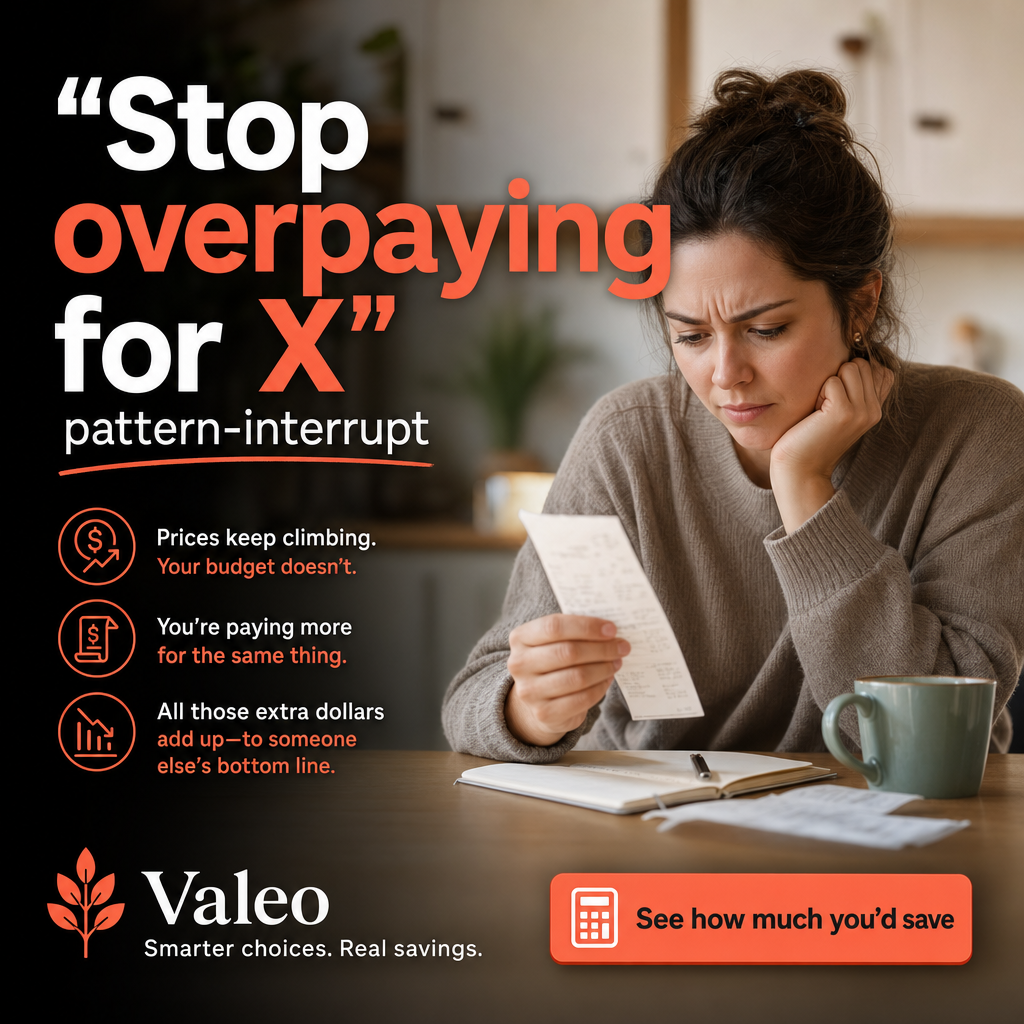
Pattern-Interrupt Hook ad example: "Stop overpaying for X" pattern-interrupt

"Stop overpaying for X" pattern-interrupt

Why it works: A negative, loss-framed hook stops the scroll because it names a pain the buyer already feels. The image shows the product mid-use rather than a hero shot, which reads as native content instead of an ad. The CTA "See how much you'd save" promises a personal number, not a generic click.

Seen in Facebook Ad Examples
Pattern-Interrupt Hook ad example: Question hook that self-selects the audience

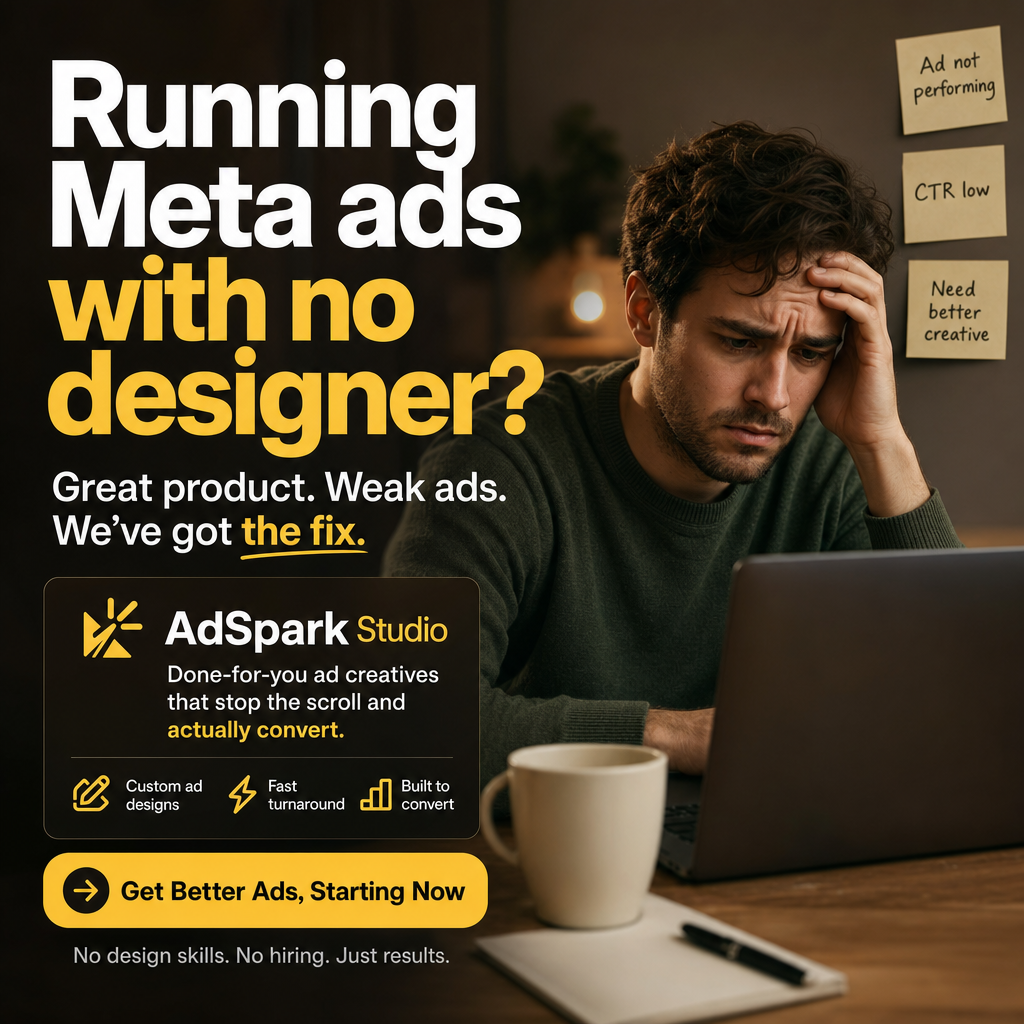
Question hook that self-selects the audience

Why it works: Opening with "Running Meta ads with no designer?" qualifies the right person and filters out everyone else, which improves downstream conversion even at a lower CTR. The visual mirrors the reader's own situation, deepening the this-is-for-me feeling. The CTA offers the specific fix to the specific problem named in the hook.

Seen in Facebook Ad Examples
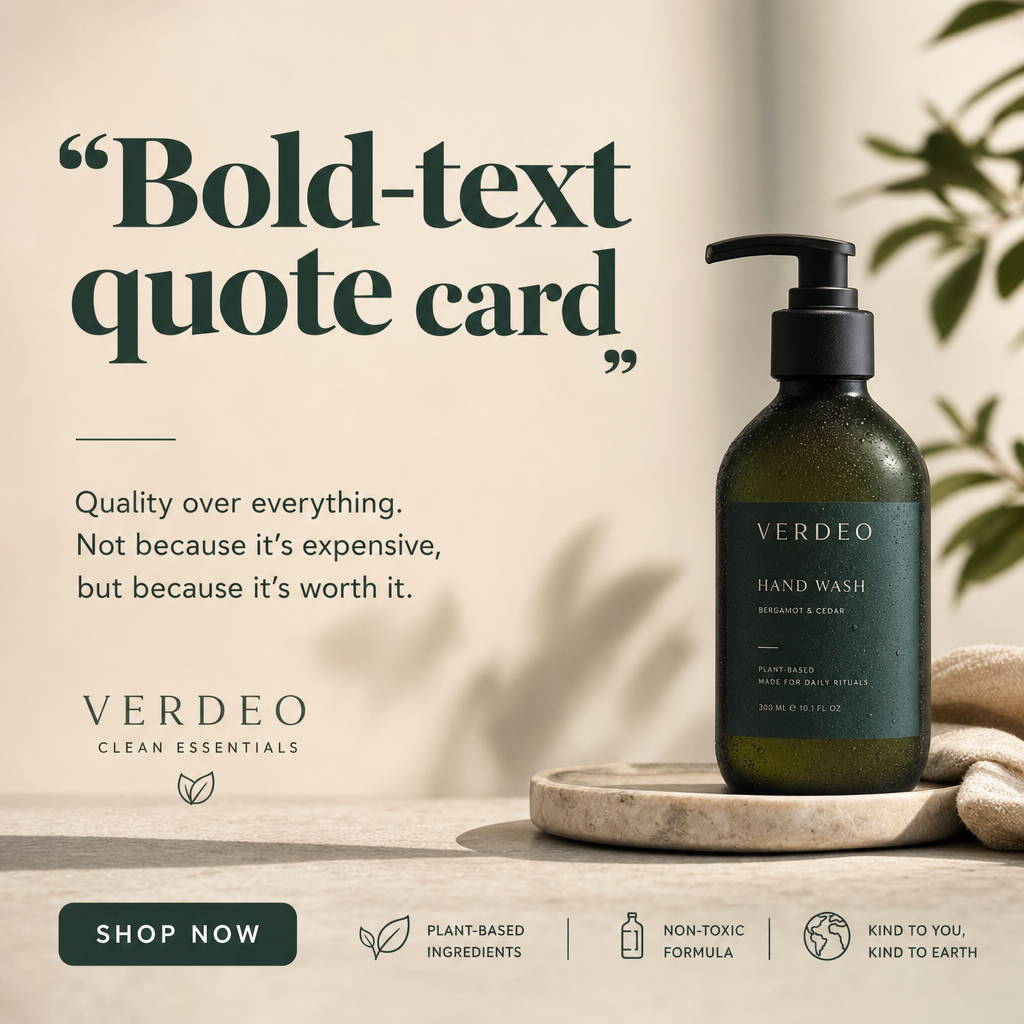
Pattern-Interrupt Hook ad example: Bold-text quote card

Bold-text quote card

Why it works: A punchy, opinionated statement in large type is instantly readable and shareable, which is native to how Instagram already works. It functions as a hook that makes the reader pause to agree or disagree. The caption then bridges from the sentiment to the product.

Seen in Instagram Ad Examples
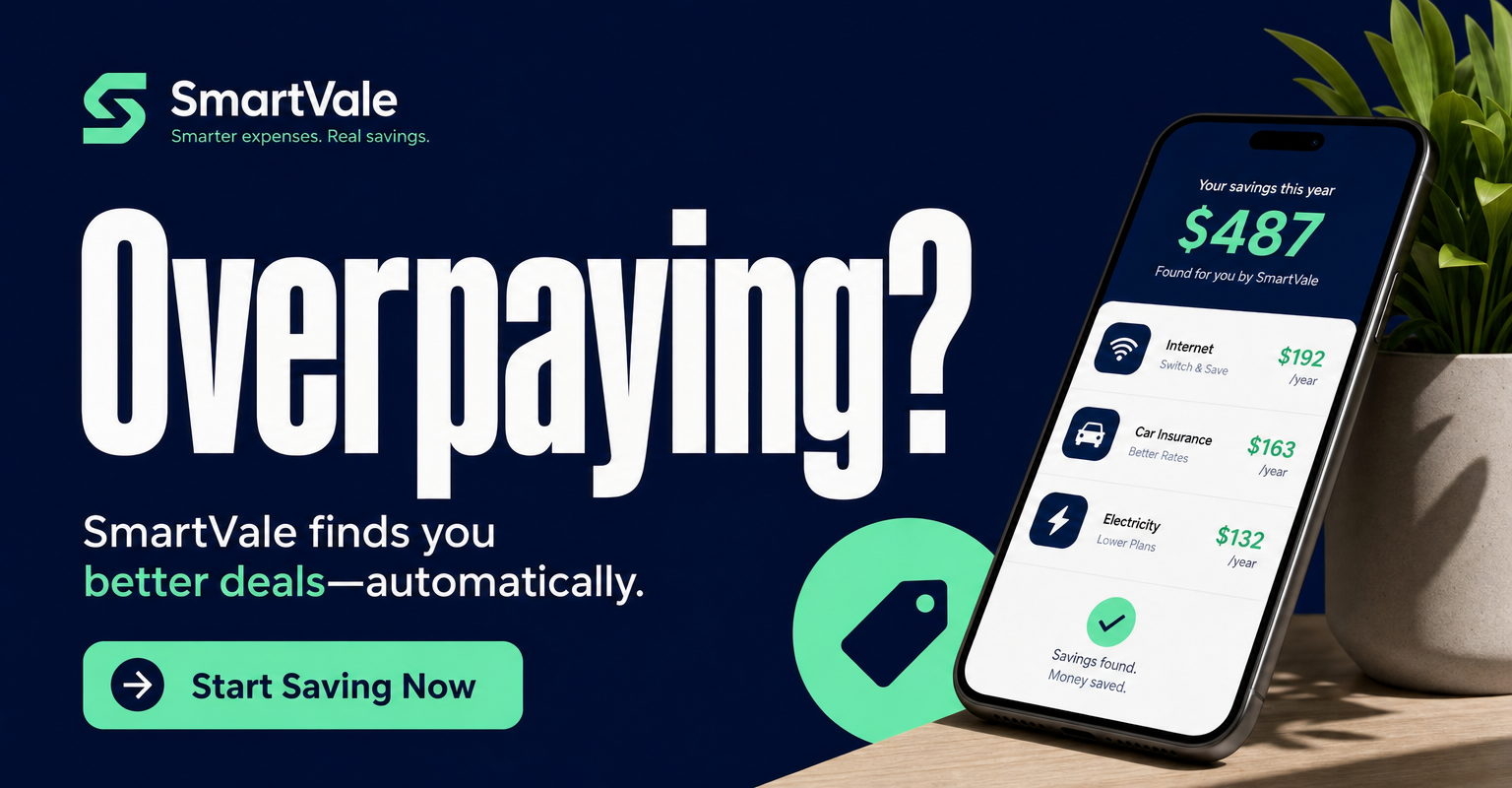
Pattern-Interrupt Hook ad example: Bold single-word hook banner

Bold single-word hook banner

Why it works: One arresting word ("Overpaying?") set large works because display readers won't process a sentence. It provokes a micro-reaction that makes the eye linger long enough to see the offer. The supporting line and button resolve the tension the word created.

Seen in Display Ad Examples
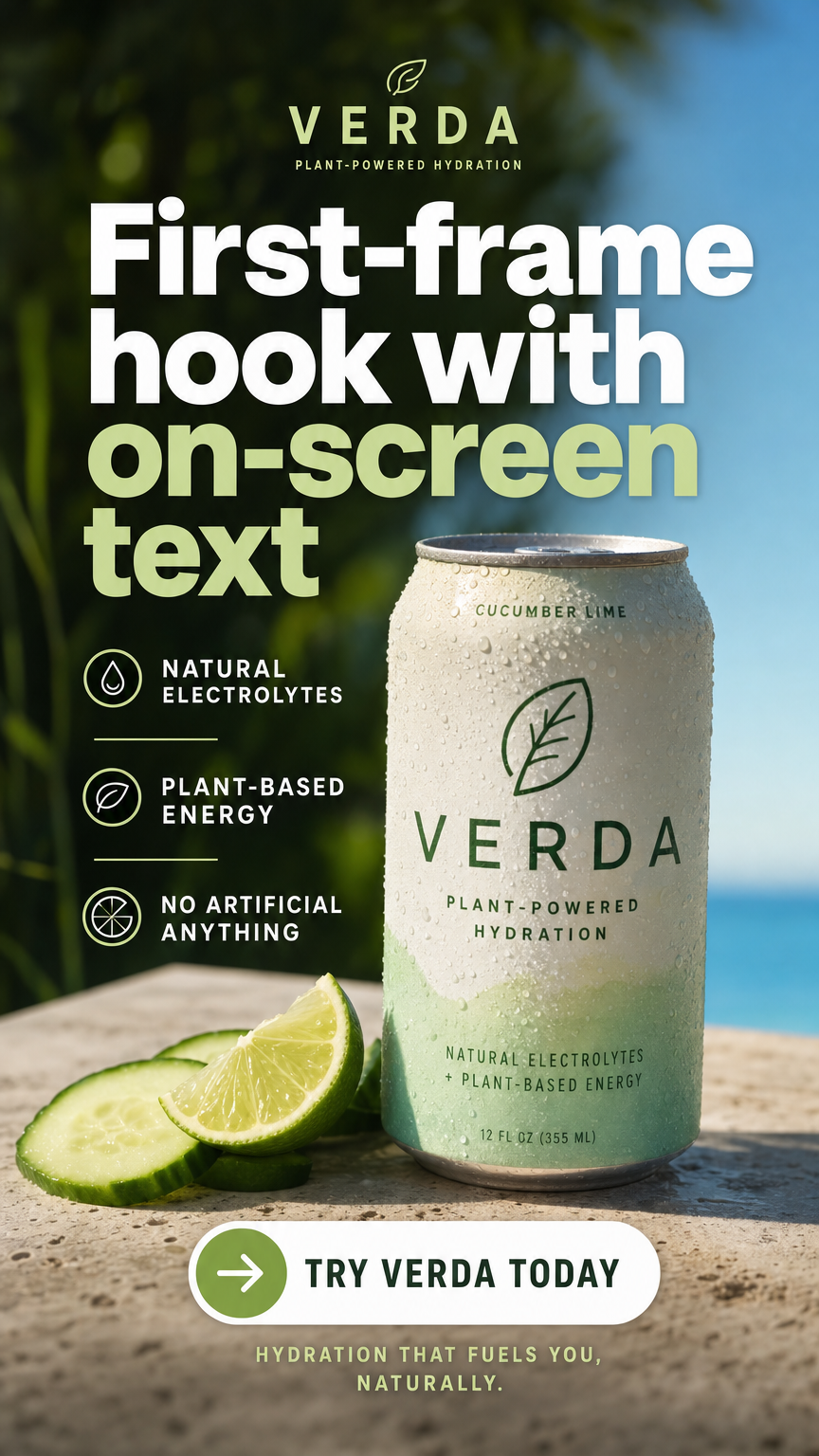
Pattern-Interrupt Hook ad example: First-frame hook with on-screen text

First-frame hook with on-screen text

Why it works: A bold text hook baked into frame one lands the message before the viewer decides to skip, and works on mute. Vertical full-bleed design signals native content, reducing the reflex to tap away. A prominent CTA sticker gives an obvious next action.

Seen in Story Ad Examples
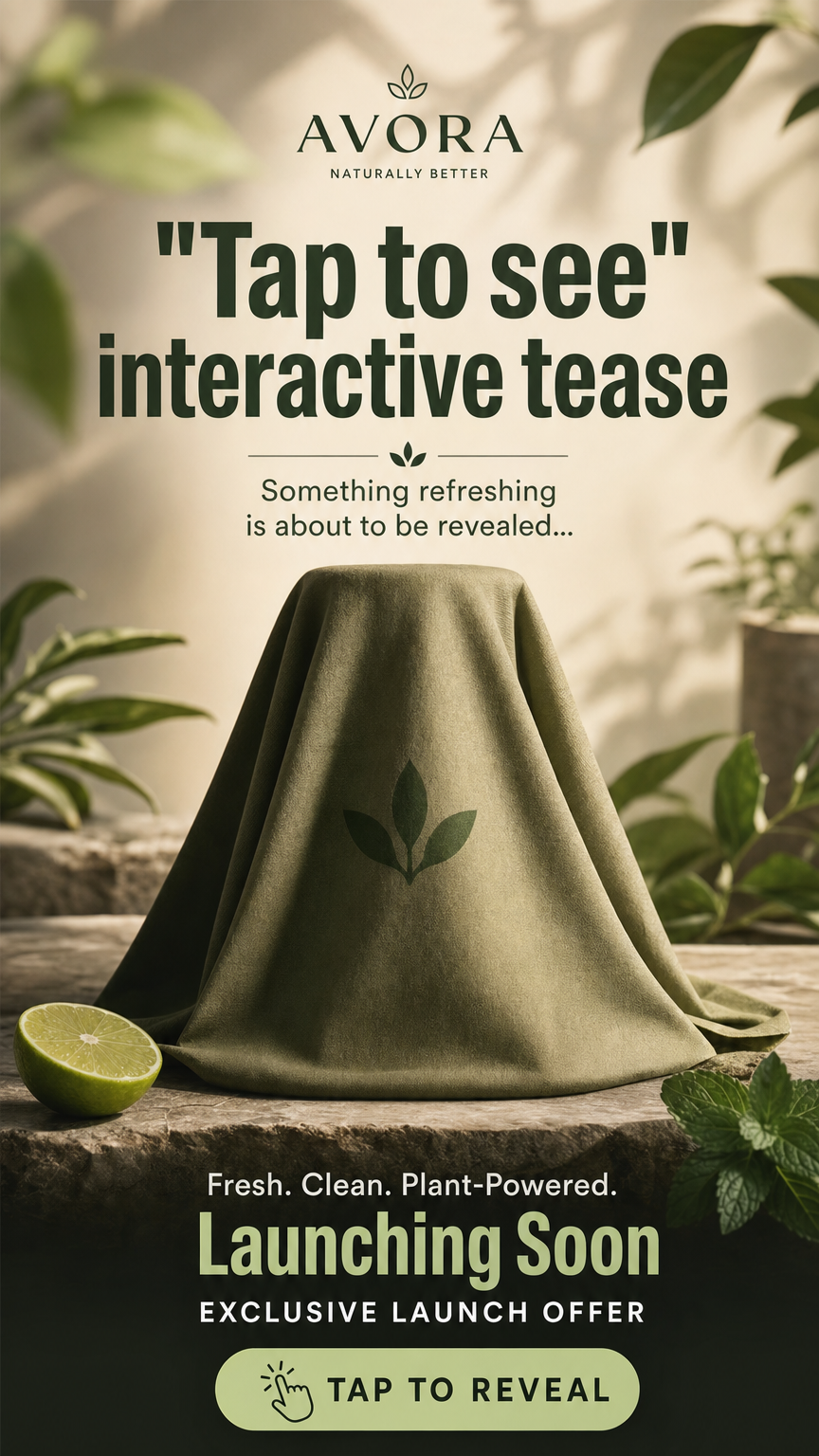
Pattern-Interrupt Hook ad example: "Tap to see" interactive tease

"Tap to see" interactive tease

Why it works: Framing the ad as a reveal invites a tap, which counts as engagement and keeps the viewer in the ad longer. The curiosity gap does the persuading — people tap to resolve it. The payoff frame then presents the offer to an already-engaged viewer.

Seen in Story Ad Examples
Pattern-Interrupt Hook ad example: Poll or question sticker

Poll or question sticker

Why it works: An interactive poll invites a low-effort tap that boosts engagement signals and personalizes the follow-up. Participation creates a small commitment that makes the subsequent CTA feel like a natural next step. It also feels playful and native rather than salesy.

Seen in Story Ad Examples
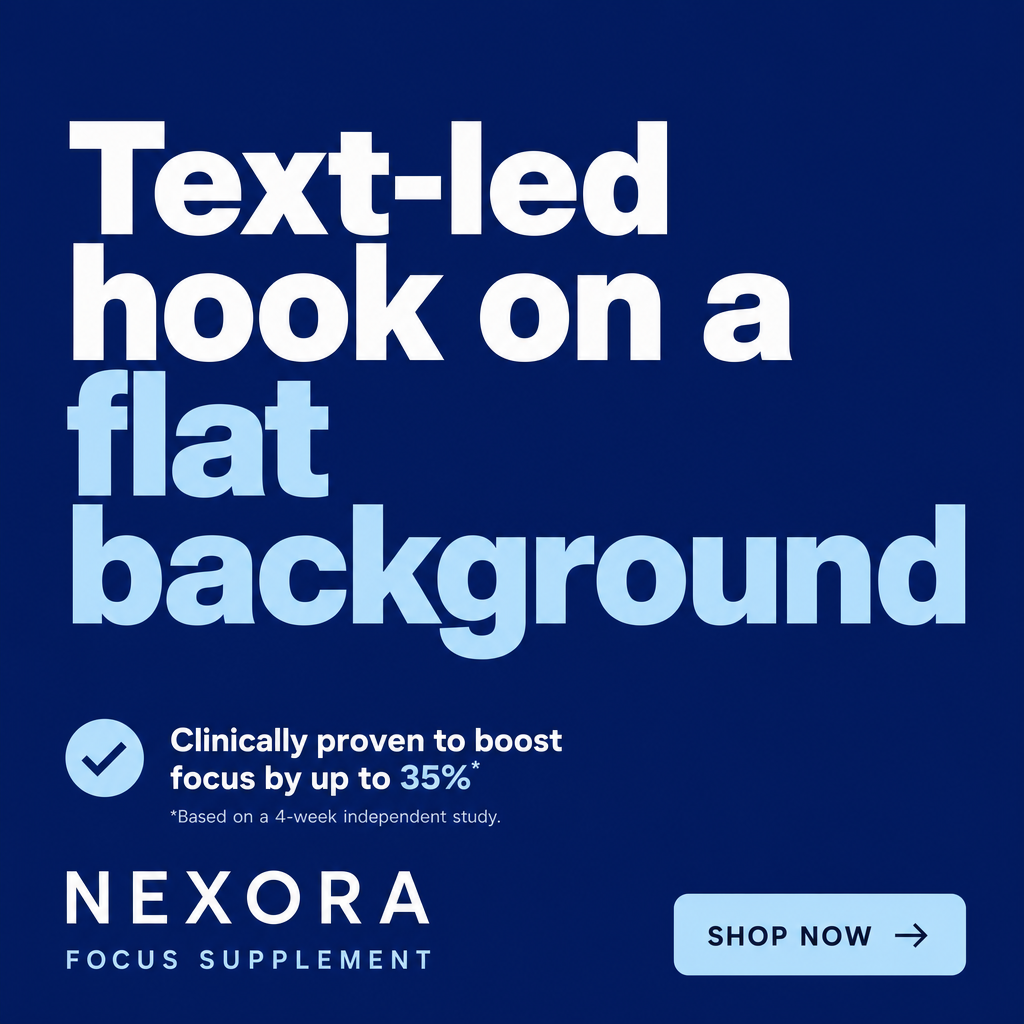
Pattern-Interrupt Hook ad example: Text-led hook on a flat background

Text-led hook on a flat background

Why it works: When the words are the creative, a punchy hook in big type can out-stop a busy photo because it reads instantly. The flat background eliminates visual noise so the message dominates. It's also cheap to produce and iterate, ideal for rapid hook testing.

Seen in Static Ad Examples

Want pattern-interrupt hook ads made for your brand?

statie.sh researches your brand and competitors, then ships on-brand static ads — in this style and others — to your inbox or Slack every morning. One click ships the finished image.

Start generating ads

Frequently asked questions

What is a pattern-interrupt ad?

An ad built around a hook that disrupts autopilot scrolling — a surprising question, a negative or loss-framed line, a bold one-word statement, or a curiosity tease. Its whole job is to earn the first read.

Why do question and negative hooks work?

They engage the reader instantly. A question the buyer answers in their head, or a pain named out loud, creates recognition and a small open loop that the rest of the ad resolves — which self-selects the right audience.

How do I write a good pattern-interrupt hook?

Name a specific pain or ask a specific question your ideal buyer would answer 'yes' to, and keep it short enough to read in a glance. Then make sure the visual and CTA pay off the tension the hook created.

More techniques

Browse all ad examples